
Seven teams (FuséESpace, HakuCare, HypoFungus, PhotoCataLine, StepLy, Thermal, WAVORA) is present at SXSW in Austin, USA.(12-14 March)
SXSW 2026
Daily Report
SXSW Day 1 (March 12)
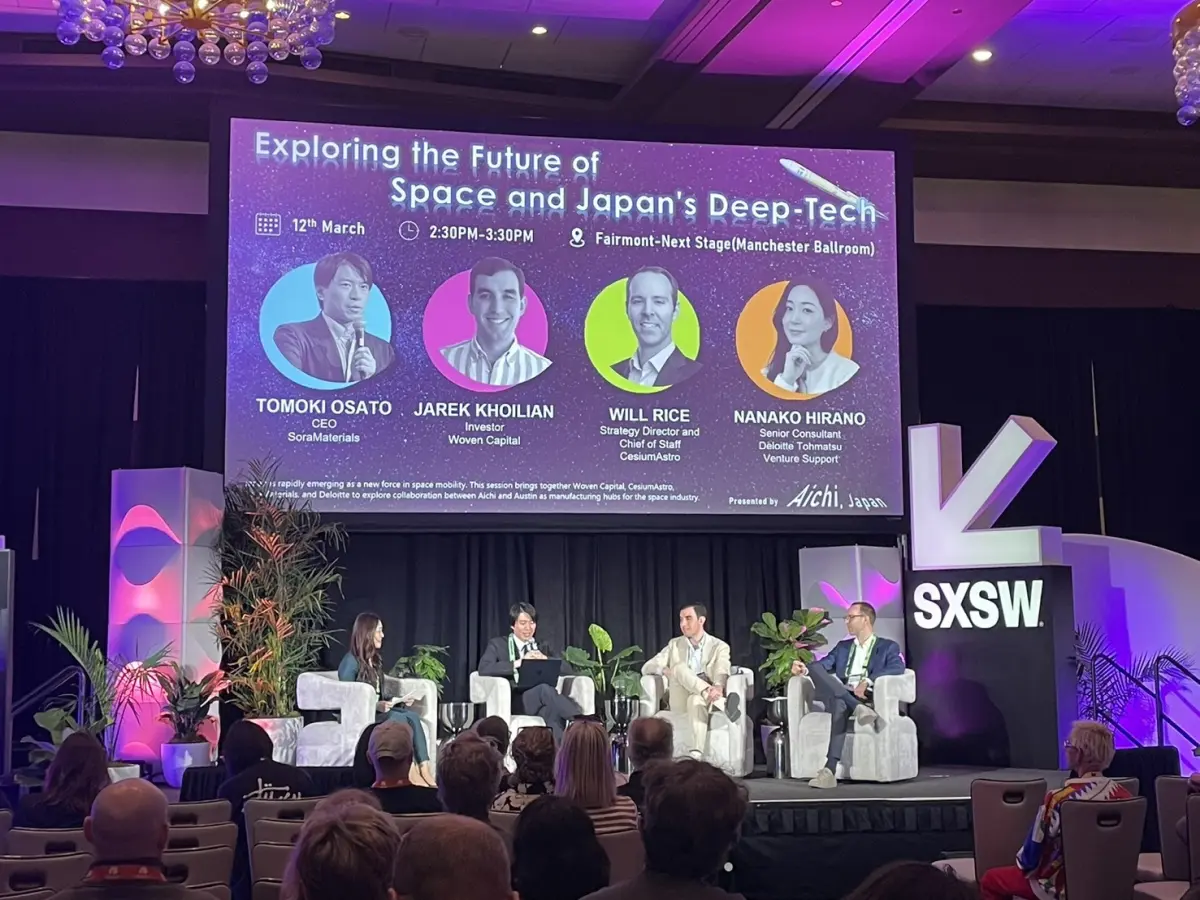
Really enjoyed the session “Exploring the Future of Space and Japan’s Deep-Tech” today. I learned a lot about how startups grow in Japan, and it was especially interesting to hear not only from a CEO, but also from an investor, a consultant, and international perspectives. We also learned a lot about why they choose Japan as a base, especially because of its strong environment for technology growth, innovation, and long-term development. That mix made the discussion feel much more real and practical, and gave a clearer picture of what it actually takes for startups in Japan to grow and expand.
SXSW Day 2 (March 13)
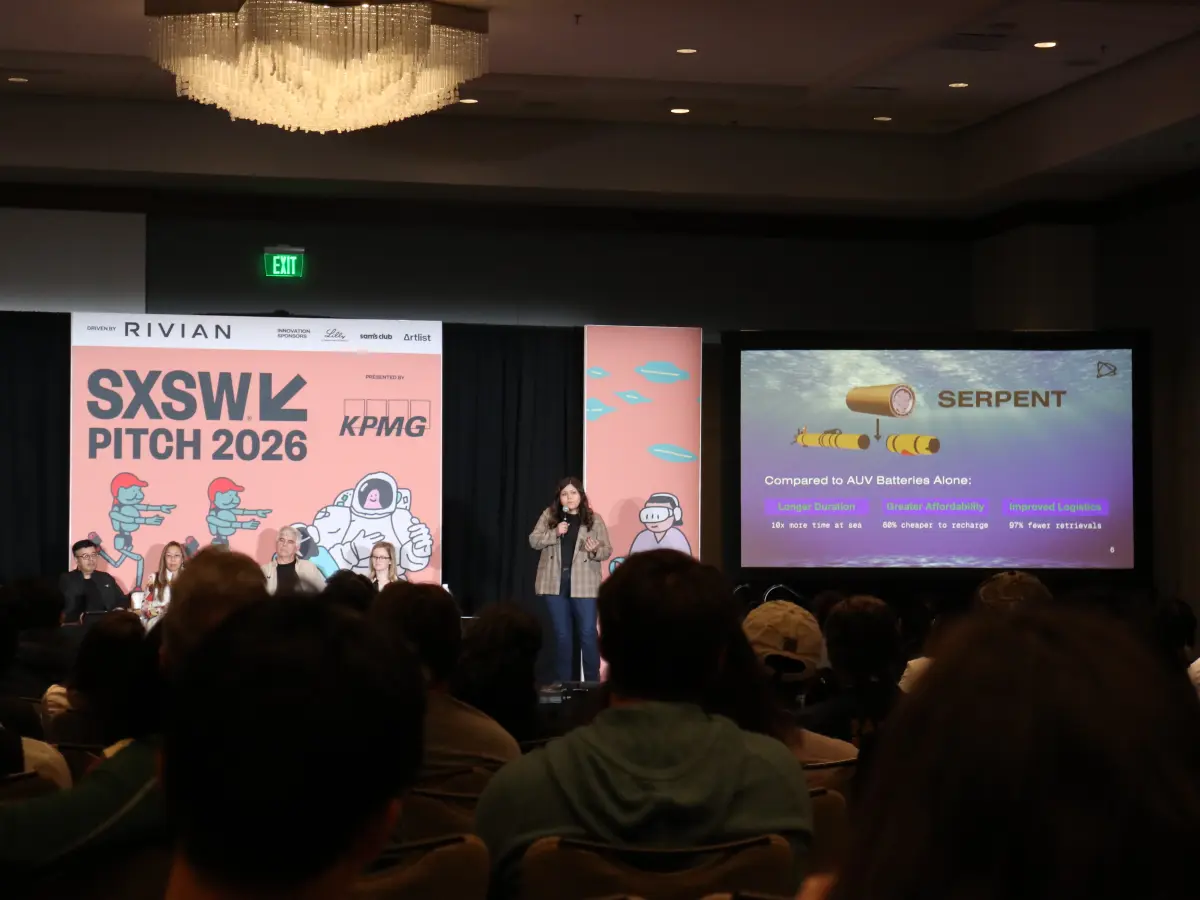
We continued exhibiting at the Tongali booth, and each team also gave short pitches at the Aichi Prefecture booth. I attended the SXSW student pitch competition and was amazed by the exceptionally high level of presentations. What all the teams had in common was that their Traction section didn’t just show product completion or progress, but demonstrated that they were already functioning businesses—showcasing customers acquired through beta versions and partnerships formed with major corporations. I was genuinely surprised.
(By Ryosuke Ui)
SXSW Day 3 (March 14)
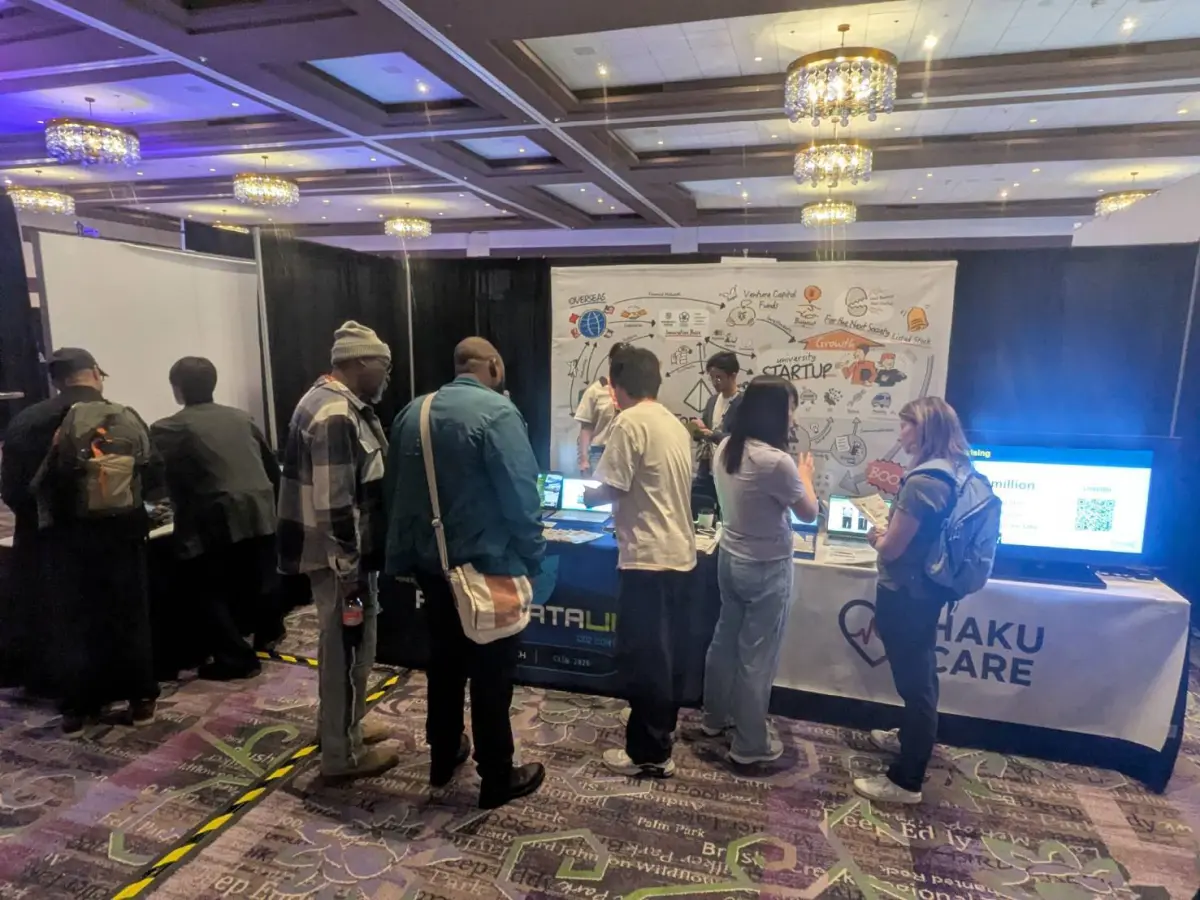
Today marked the final day of our exhibition at SXSW.Since it was a holiday, we had a huge turnout at our booth, ranging from children to adults.Surprisingly, one student had the opportunity to meet a professor who is highly renowned in their field of study, leading to a deep discussion. Beyond that, there was a high level of interest in each student’s area of expertise, and enthusiastic discussions broke out all over the place. It was a fantastic day that left us confident our research and business will gain momentum.
(By Toshiyuki Yamada )
SXSW Day 4 (March 15)
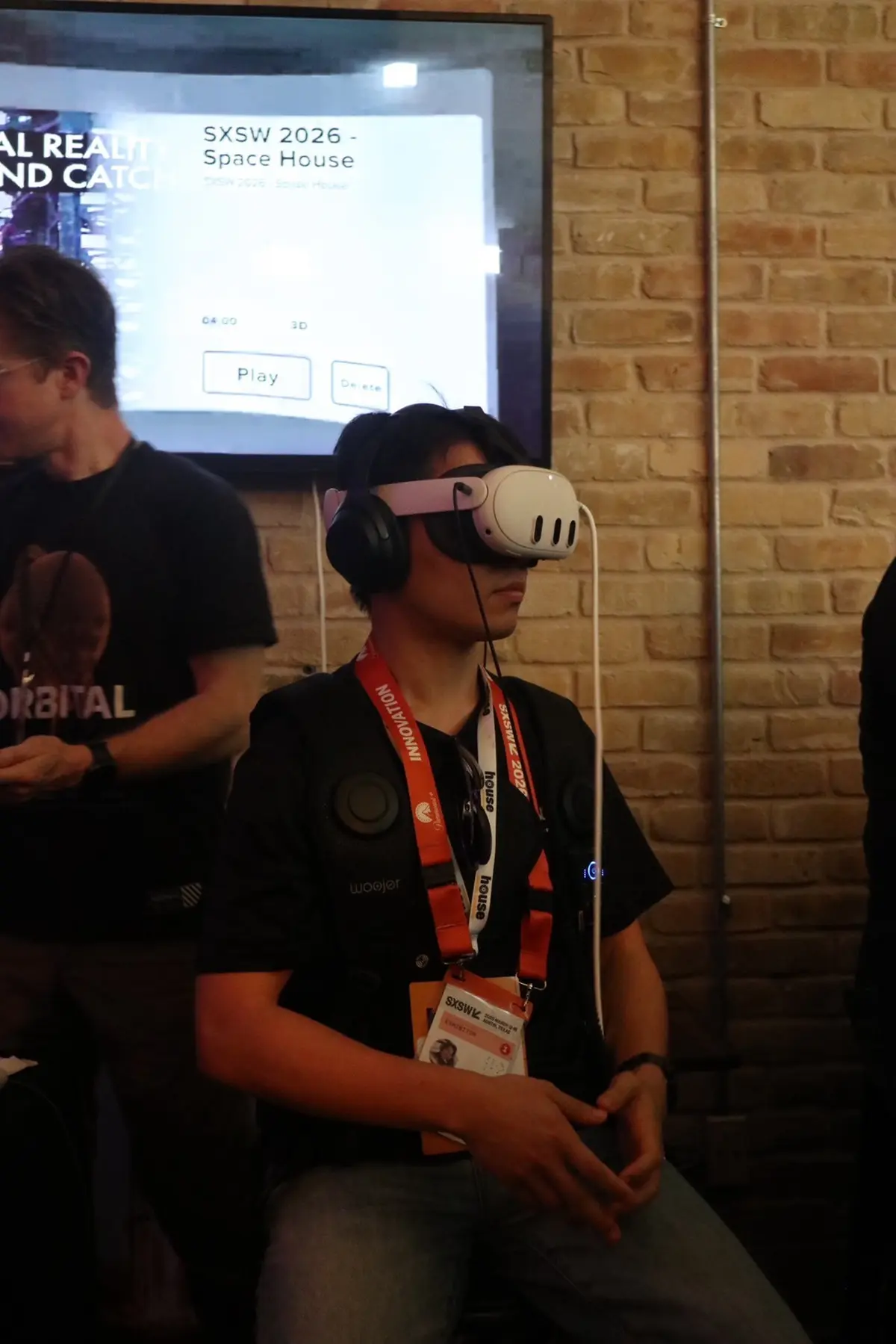
Today, we got a whole day to explore other events at SXSW. The whole town itself became festival, so may things happening here and there. I explored SXSW exhibition and streets of Austin with my friends. We enjoyed test drive of an electric vehicle, XR, and SONY’s latest technology. Then, we went to Texas Capitol and took home in a self-driving car!Today was a really fun day, but at the same time, it was a day when I felt sad to say goodbye to Austin.
(By Matsushita Takayuki)
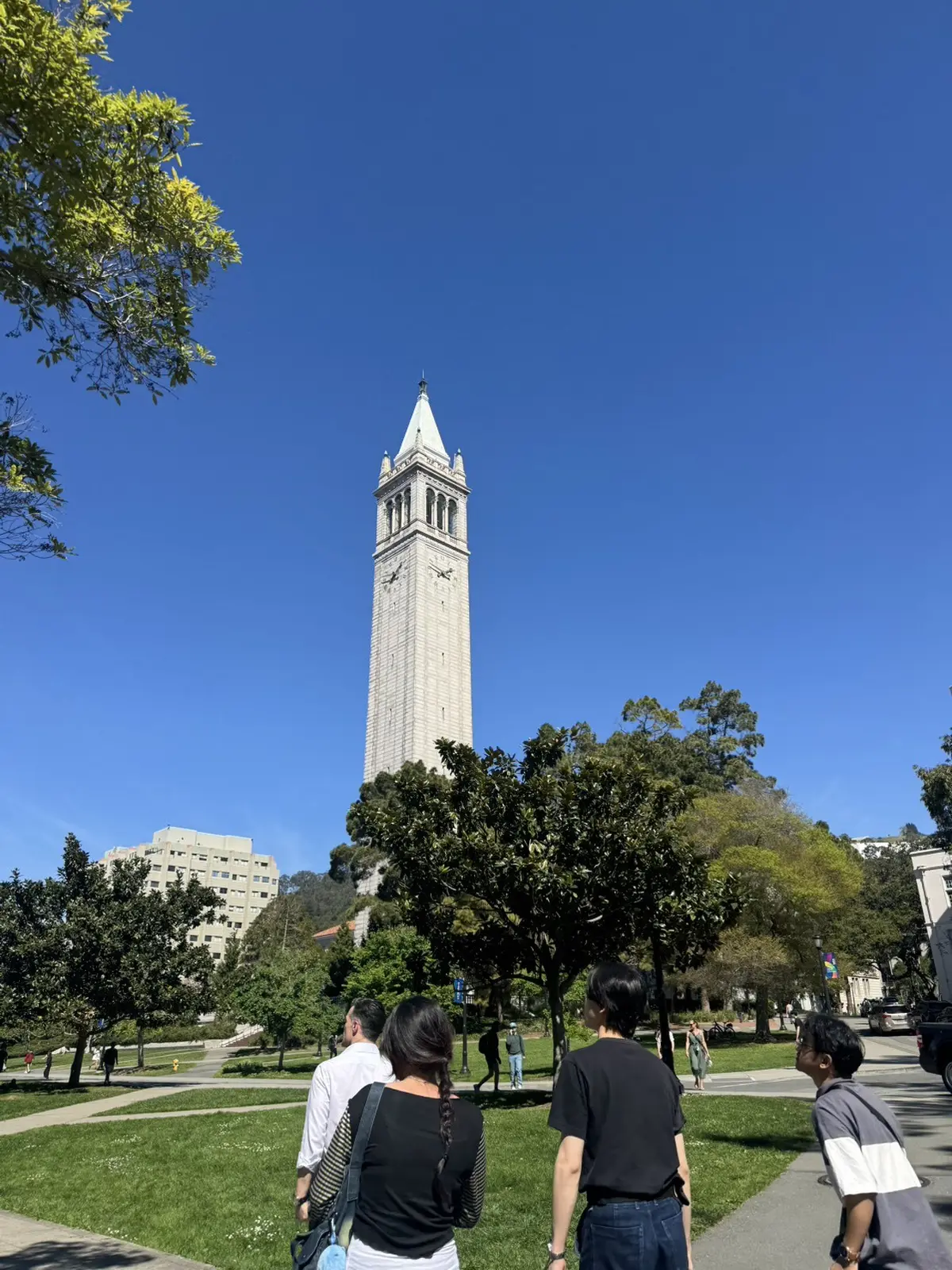
Berkeley Day 1 (March 17)
Today, we joined two lectures at UC Berkeley and continued learning about startups and AI. One lecture gave me a valuable insight: when speaking with investors from different regions, we need to highlight different points depending on what they care about most. The other lecture helped me better understand the practical applications of AI. During the lunch break, we could go around the campus. I was deeply impressed by the beauty of UC Berkeley and its many historic and elegant buildings.
(By Minyu Li)
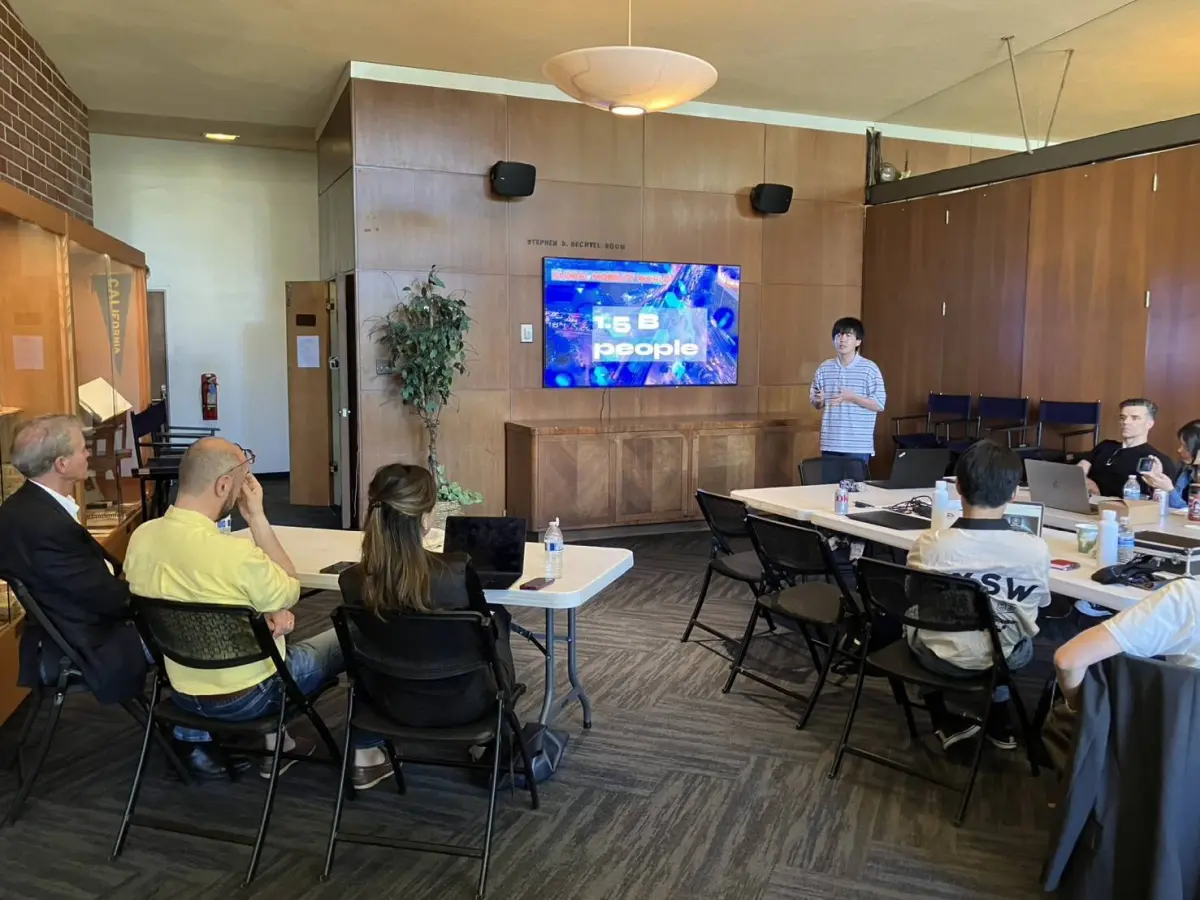
Berkeley Day 2 (March 18)
Hello everyone, I’m Yuki. We started with two classes on IP and fundraising, followed by a panel discussion where we had the chance to speak with founders. We learned just how essential networking is when starting a company. Finally, we pitched our ideas to three investors. They provided us with valuable advice on what our next steps should be and how to effectivity pitch to investors . We will continue to brush up our ideas as we work towards building our startups.
(By Yuki Tsukamoto)
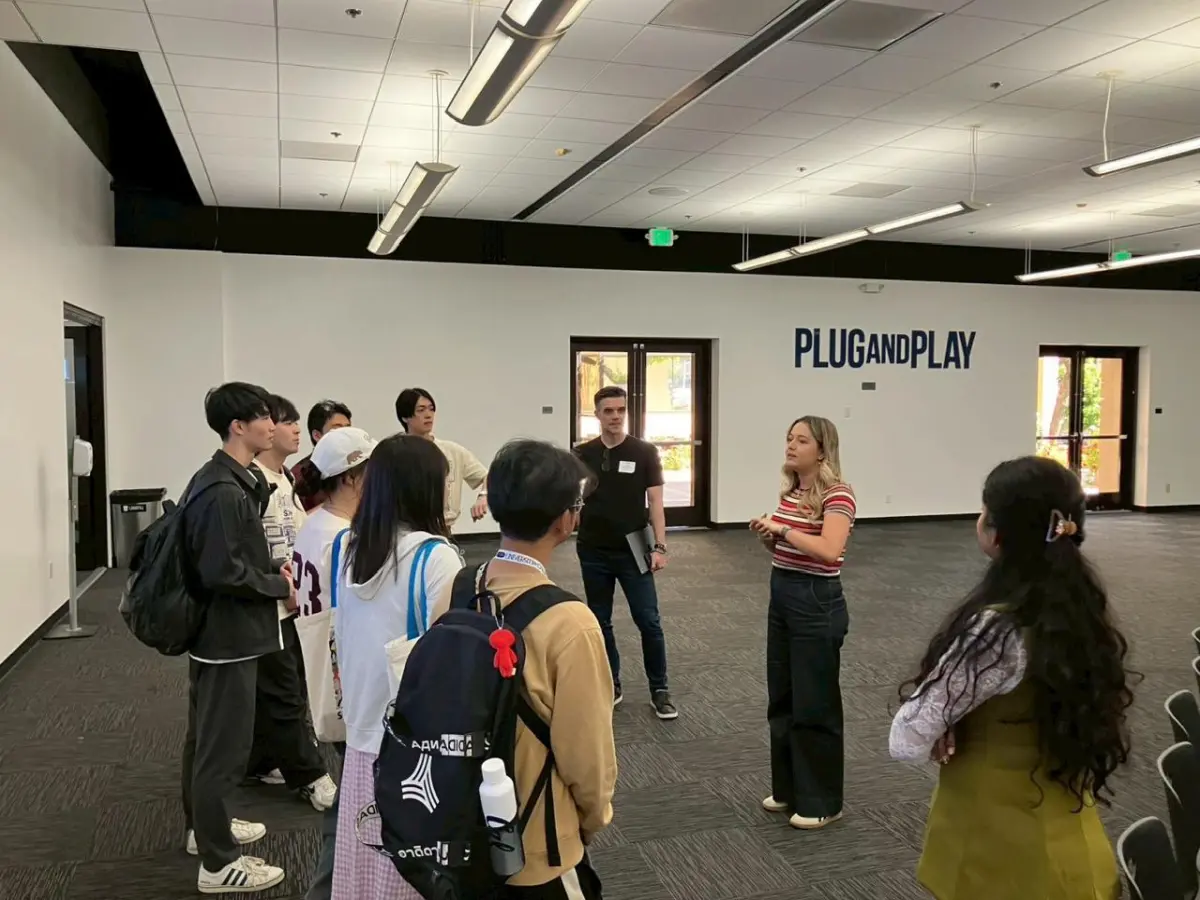
Berkeley Day 3 (March 19)
Today’s visit to Silicon Valley felt like a dream come true. As an engineer, being here—at the heart of global innovation—was truly overwhelming and inspiring.Our schedule included visits to NTT Research, advancing cutting-edge science, TDX Ventures, shaping startup ecosystems, Intel, a pioneer in computing, and Plug and Play, connecting startups with global opportunities.As a researcher, I gained deep insights into the startup and venture capital landscape—how ideas evolve into impact. Despite being global giants, what stood out was their shared commitment to sustainability and a “planet-first” mindset.Even more inspiring was the humility of their leaders. The common mantra echoed everywhere: fail fast, learn faster, and never fear failure.The energy of Silicon Valley is unmatched—an adrenaline rush that is both exciting and deeply informative from a student’s perspective.
(By Vanshika)
FuséESpace (Takayuki Matsushita)
Thanks to dramatical technological development, our daily lives have been improved greatly. However, due to such human evolution, a lot of environmental problems have been caused; global warming, fluids and desertification, and it is impossible for us to control them. We have to find ways of coexisting with nature.
One of the answers We, FuséESpace suggest is taking advantage of space. There are plenty of resources in space, so if we can reach them more easily, we don’t have to rely on the earth anymore. It definitely leads to mitigate the environmental problems.
Yet, going into space needs tremendous money today. Therefore, we have to lower the launch cost, and FuséESpace believes using RDE (Rotating Detonation Engine) is the solution.
HakuCare (Minyu Li)
I am Minyu Li, an Informatics Ph.D. candidate at Nagoya University and future CEO of HakuCare. My mission is to revolutionize preventative healthcare by enabling non-invasive, continuous monitoring of blood pressure and blood glucose.
HakuCare is an advanced wearable device leveraging AI-driven pulse wave analysis and high-fidelity pressure sensing. It accurately extracts subtle clinical biomarkers, specifically reflection waves, which are crucial for metabolic regulation and early risk detection.
We are actively seeking sponsorship and strategic partnerships to accelerate clinical validation and bring this transformative medical technology to market.
HypoFungus (Vanshika)
HypoFungus is a next-generation biological crop protection solution that harnesses the power of nature to combat harmful fungal diseases. Instead of relying on synthetic chemicals, HypoFungus uses naturally occurring mycoviruses—viruses that infect fungi—to reduce the pathogenicity of destructive crop pathogens like Fusarium. By weakening the fungus from within, HypoFungus protects crops while minimizing environmental impact, chemical residues, and resistance development. Designed for sustainable and regenerative agriculture, it supports healthy soils, safer food systems, and long-term productivity. HypoFungus represents a shift from chemical dependency to biological innovation, offering farmers an eco-friendly, science-driven alternative that aligns with the future of global food security and resilient farming systems.
PhotoCataLine (Yuki Tsukamoto)
We live in very mobility world. In this world, we are trapped by one mechanism to ride a vehicle. We must charge fuel, then drive and repeat. This mechanism causes problems. We must pay for fuel and access penalty, and we can ride an electric vehicle for only ten years. I founded PhotoCataLine to solve these problems. The technology of PhotoCataLine is based on photocatalysts. Photocatalysts can decompose CO2 and H2O and rearrange them to make CO and H2 as syngas. Then, they produce e-gasoline from syngas. That is why PhotoCataLine can replace the existing loop with the eco-loop as follows. Emitted CO2 is flowed to photocatalysts. They produce e-gasoline from CO2. A vehicle moves by e-gasoline and emits CO2.
StepLy (Nodira Tillayeva and Muhammad Raditya Giovanni)
StepLy is a smart location-intelligence app that helps users decide where to go and when to go. By combining social media links, user preferences, weather data, crowd patterns, and geospatial analysis, StepLy provides personalized recommendations for optimal visiting times and hidden gems. Users simply share places they want to explore, and StepLy analyzes environmental conditions and human mobility trends to suggest the best experience. The app can dynamically reroute plans based on real-time conditions, helping users avoid crowds and maximize enjoyment. Designed at the intersection of GeoAI and human-centered urban analytics, StepLy transforms scattered online inspiration into data-driven, actionable travel and lifestyle decisions for modern explorers.
Thermal (Toshiyuki Yamada)
Thermal proposes an innovative manufacturing process for micro inductors, extremely small electronic components. First, what is a micro inductor? It is an indispensable part for creating high-frequency circuits, a very small component found inside electronic devices like smartphones and medical equipment. Here’s a question for you: Don’t you think the prices of smartphones these days are high? Of course, it’s inevitable that prices rise as convenient features are continuously added. But wouldn’t it be great if technological advancements could help keep prices down? We are developing a process to make this possible. Conventional manufacturing processes involve over 50 steps, significantly driving up costs. Our proposed process utilizes thermal expansion, enabling microinductor production with less than a quarter of the steps required by conventional methods. This drastically reduces microinductor manufacturing costs. Thermal’s technology will make the smart living of the future more accessible.
WAVORA (Ryosuke Ui)
WAVORA is a pioneering robotics startup dedicated to digitizing the “last mile” of our oceans. While Blue Carbon ecosystems capture CO2 ten times faster than tropical forests, 90% remains untapped because traditional monitoring is too expensive and destructive. Standard drones with propellers often shred delicate seagrass and fail in shallow waters.
WAVORA solves this with our innovative, bio-inspired soft-fin propulsion. Our amphibious robots navigate seamlessly from land to water without disturbing the ecosystem, providing 100% verified, high-resolution data where humans and boats cannot reach. By reducing monitoring costs by 90%, we transform invisible environmental efforts into high-value, auditable carbon credits. We don’t just build robots; we provide the financial infrastructure for a sustainable blue economy.